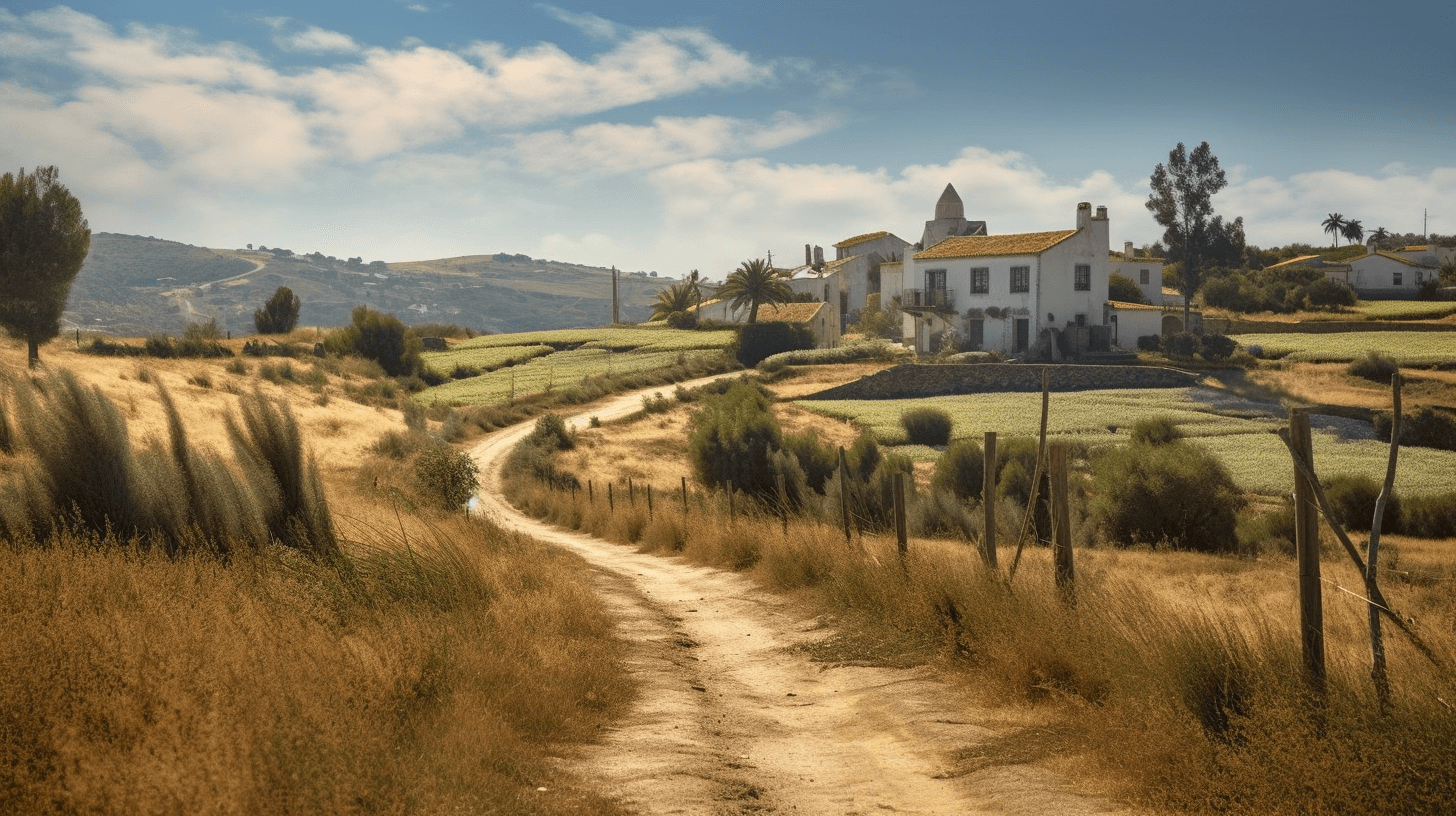
A Comprehensive Guide to Buying Land in Portugal: Everything You Need to Know
Introduction
Buying land in Portugal is an attractive investment for many people, thanks to the country's beautiful landscapes, mild climate, and affordable property prices. Whether you plan to build your dream home, develop a holiday accommodation, or simply invest in a growing market, it is essential to understand the process and legal requirements. This comprehensive guide will help you navigate the ups and downs of buying land in Portugal and highlight the importance of acquiring a solid contract template to protect your investment.
1. Research and Choose the Right Location
The first step in buying land in Portugal is to research and choose the right location. Consider factors such as proximity to amenities, transport links, and areas of potential growth to ensure a smart investment. Popular regions include the Algarve, Lisbon, and Porto, each offering unique attractions and opportunities.
2. Hire a Local Real Estate Agent
An experienced local real estate agent can help you find the perfect land and guide you through the buying process. They can assist with negotiations, property evaluations, and provide valuable insights into local market trends and legal requirements.
3. Analyze the Municipal Master Plan (PDM)
Before committing to a purchase, check the zoning status and development potential of the land by analyzing the Municipal Master Plan (PDM). This document, available at the local city council, outlines land use regulations and restrictions that may affect your plans.
4. Obtain a Portuguese Tax Identification Number (NIF)
Before purchasing property in Portugal, you must obtain a Portuguese Tax Identification Number (NIF). This number is required for all financial transactions, including property purchases, opening a bank account, and signing contracts. To obtain a NIF, visit a local tax office or apply through a Portuguese lawyer or accountant.
5. Obtain a Land Registry Certificate
The Land Registry Certificate provides essential information about the property, including ownership, property boundaries, and any outstanding debts or legal issues. Obtain this document from the local land registry office to ensure you are making a secure investment.
6. Draft a Promissory Purchase and Sale Agreement
After deciding on a plot, draft a Promissory Purchase and Sale Agreement that sets out the terms and conditions of the sale. This legally binding document should include details such as the purchase price, payment schedule, and any conditions precedent to the sale. Our high-quality contract templates are tailored to the Portuguese market, ensuring a smooth and legally sound transaction.
7. Pay a Deposit
After signing the Promissory Purchase and Sale Agreement, the buyer typically pays a deposit, usually between 10-30% of the purchase price. This deposit secures the property and demonstrates your commitment to the purchase.
8. Complete the Public Deed of Purchase and Sale
The final step in buying land in Portugal is completing the Public Deed of Purchase and Sale, a legally binding document signed before a notary. The notary ensures that all necessary documentation is in order and that the transaction complies with Portuguese law. After signing the deed, the notary will register the property transfer in the Land Registry.
Conclusion
Buying land in Portugal can be a rewarding investment if you understand the process and legal requirements. To ensure a smooth transaction and protect your interests, consider using a reliable contract template specifically designed for the Portuguese market. Our expertly crafted contract templates provide peace of mind and compliance with local regulations, allowing you to focus on building your dream property or expanding your investment portfolio. By following this comprehensive guide, you will be well-prepared to navigate the process of buying land in Portugal and make a secure and informed investment. Start your journey today by exploring our wide range of high-quality contract templates tailored to your needs.